


Running a clinic involves much more than consulting patients. Doctors and healthcare staff also need to manage appointments, maintain patient information, prepare bills, organize prescriptions, and coordinate everyday activities. When these responsibilities are handled through separate registers and manual processes, even routine administrative work can become time-consuming.
As healthcare services continue to develop, clinics are exploring digital ways to make their daily operations more manageable. Clinic Management Software in Dehradun offers a practical approach to organizing different administrative activities through a centralized digital system. It can help clinics maintain records, coordinate appointments, manage billing, and improve the overall flow of information.
For healthcare professionals, the objective is not simply to introduce new technology. It is to create a more organized working environment where administrative tasks become easier to handle and more time can be devoted to patient care.
What Is Clinic Management Software and How Does It Work?
Clinic management software is a digital solution designed to help healthcare facilities organize their administrative and patient-related activities. Instead of depending entirely on paperwork, clinics can use a centralized platform to manage important information and everyday processes.
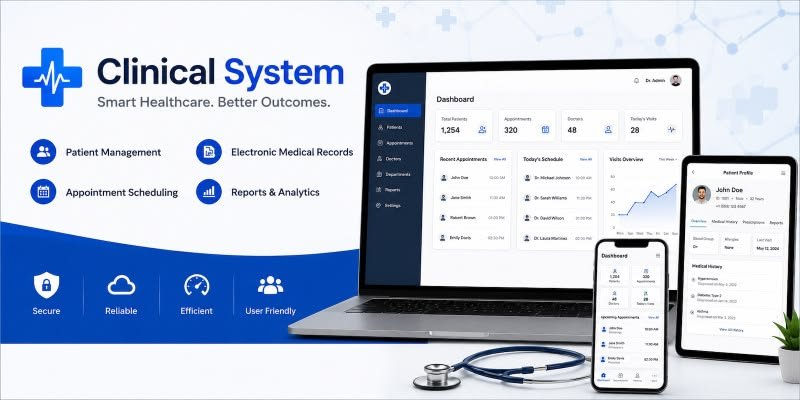
Depending on the available features, a clinic management system may support patient registration, appointment scheduling, billing, prescription records, and administrative reporting.
For example, when a patient visits a clinic, the reception team can record registration details, arrange an appointment, and maintain relevant information digitally. Authorized staff can then access the information they need according to their responsibilities.
This organized approach can make routine clinic management more convenient while reducing dependence on scattered documents and registers.
Why Are Clinics in Dehradun Exploring Digital Management Solutions?
Patient expectations and healthcare administration requirements are changing. People generally appreciate organized appointments, clear communication, and convenient service experiences.
For smaller clinics and growing healthcare facilities, managing everything manually can become challenging as patient visits increase. Finding previous records, checking appointment schedules, and preparing billing information may require considerable staff attention.
A Clinic Management System in Dehradun can help address these administrative challenges by bringing important activities together.
Some common reasons clinics consider digital management include:
- Maintaining patient information in an organized format.
- Managing daily appointments more conveniently.
- Keeping billing information accessible.
- Reducing unnecessary paperwork.
- Organizing administrative responsibilities.
- Improving coordination between receptionists and healthcare professionals.
The right digital approach depends on the clinic’s size, working process, and specific requirements.
Essential Features to Look for in Clinic Management Software
Every clinic has different operational needs. A general physician may require a simple appointment and patient record system, while a multi-speciality clinic may need more extensive administrative functionality.
Before selecting Clinic Software in Dehradun, healthcare providers should understand which features can genuinely support their daily activities.
1. Patient Registration and Record Management
Patient registration is one of the first steps in a clinic visit. Digital registration can help staff organize patient details and maintain records in a structured format. It can also make retrieving previously entered information more convenient for authorized users.
2. Appointment Scheduling
Managing appointments through phone calls and paper registers can sometimes create confusion. An appointment management feature can help organize consultation schedules, track bookings, and make daily planning easier.
3. Billing and Payment Records
Accurate billing is important for smooth clinic administration. Clinic billing software can help prepare bills, record payments, and maintain transaction information in an organized manner.
4. Prescription Management
Digital prescription management can help healthcare professionals prepare and organize prescription-related information. The system should support appropriate access controls and the clinic’s medical workflow.
5. Patient History Management
Access to previous patient information can support continuity in administrative and consultation processes. A structured record system can make relevant historical information easier to locate when needed.
6. Reports and Administrative Insights
Reporting features can help clinic administrators review information such as appointments, billing activities, and other operational records. These insights can support better day-to-day planning.
How Does Clinic Management Software Improve Patient Administration?
Patient administration involves several connected activities, starting with registration and continuing through appointments, consultations, billing, and follow-ups.
When these activities are handled separately, staff may need to enter or search for the same information repeatedly. A centralized digital platform can make these processes more connected.
For instance, a returning patient may not need to go through the same manual registration process every time if their relevant details are already maintained in the system.
Similarly, appointment information can help reception staff understand the day’s schedule and coordinate patient visits more effectively.
Patient Management Software in Dehradun can therefore contribute to a more organized administrative experience by helping clinics manage patient-related information in one place.
However, technology should complement professional medical judgment rather than replace doctors’ decisions or personal interaction with patients.
Key Benefits of Using a Digital Clinic Management System
Moving from paper-based administration to digital management can offer several practical advantages.
Some important benefits include:
- Better record organization: Patient and administrative information can be maintained in a structured digital format.
- Convenient appointment handling: Staff can manage consultation schedules more systematically.
- Improved billing coordination: Payment and billing information can be organized for easier reference.
- Less paperwork: Digital processes can reduce dependence on physical registers and repetitive documentation.
- Smoother administrative communication: Relevant information can be made accessible to authorized team members.
- More organized daily operations: Clinics can manage several routine activities through a centralized system.
These benefits depend on proper implementation, staff training, suitable features, and consistent usage.
How to Choose the Right Clinic Management System in Dehradun
Choosing software is an important decision because it becomes part of a clinic’s everyday working process. A platform that looks impressive but does not match actual requirements may create unnecessary complications.
Before selecting a Clinic Management System in Dehradun, consider the following factors.
Understand Your Clinic’s Requirements: Identify the activities that need improvement, such as registration, appointment scheduling, billing, or patient record management.
Check Ease of Use: The interface should be understandable for doctors, receptionists, and administrative staff. Complicated navigation can make adoption difficult.
Evaluate Customization: Different clinics follow different procedures. Consider whether the available features can accommodate your operational requirements.
Prioritize Data Security: Patient information must be handled responsibly. Review user permissions, access controls, backup arrangements, and applicable data protection requirements.
Consider Technical Support: Reliable assistance can be valuable when staff need help understanding features or resolving technical issues.
Think About Future Requirements: A clinic may expand its services over time. Consider whether the software can accommodate changing operational needs.
The best choice is one that solves genuine administrative problems without making everyday work unnecessarily complicated.
Why Are Appointment and Billing Management Important?
Appointments and billing are two essential parts of clinic administration. Both require accuracy, coordination, and proper record maintenance.
When appointment schedules are maintained manually, staff may face difficulties handling changes, cancellations, or overlapping bookings. A digital scheduling system can provide a clearer view of consultation timings.
Likewise, organized billing records can help clinics maintain information about consultation charges, payments, and outstanding amounts.
By combining appointment and billing functionality, suitable clinic management software can help staff coordinate these activities more efficiently.
The goal is to make administrative processes easier to follow while keeping the patient experience professional and organized.
Common Problems with Traditional Clinic Administration
Many clinics continue to depend on manual processes because they are familiar and easy to start with. However, certain difficulties may develop as daily activities increase.
Common challenges include:
- Searching through multiple registers for previous patient details.
- Managing appointment changes without a centralized schedule.
- Maintaining separate billing records.
- Repeating the same data entry across different documents.
- Finding administrative information when it is needed quickly.
- Keeping physical documents organized over long periods.
These challenges do not mean that every manual process must disappear immediately. Clinics can gradually identify areas where digital tools offer practical improvements.
How Tejomaya Oneway Innovation LLP Fits into Digital Clinic Management
Healthcare organizations looking to modernize their administrative processes can explore suitable technology solutions according to their operational requirements.
Tejomaya Oneway Innovation LLP is a technology company that can be considered by organizations exploring digital solutions for their business and administrative needs.
For clinics researching Clinic Management Software in Dehradun, understanding the available software features, customization possibilities, and implementation requirements is an important starting point.
A suitable clinic management solution should focus on practical functionality, including patient record organization, appointment handling, billing processes, and administrative convenience.
Rather than selecting software only because it offers numerous features, clinic owners should identify the tools that genuinely support their daily workflow.
Which Healthcare Facilities Can Benefit from Clinic Management Software?
Digital clinic administration is relevant to different types of healthcare facilities, including:
- General Physician Clinics: Manage patient registration, consultation appointments, and billing records.
- Dental Clinics: Organize patient information, treatment appointments, and administrative details.
- Specialist Clinics: Maintain appointment schedules and relevant patient records.
- Multi-Speciality Clinics: Coordinate different consultation schedules and administrative activities.
- Small Healthcare Centres: Reduce paperwork and improve the organization of routine administrative tasks.
- Private Medical Practices: Maintain structured records and simplify everyday clinic operations.
Each healthcare facility should select functionality according to its actual services and working requirements.
Frequently Asked Questions About Clinic Management Software
1. What is clinic management software used for?
Clinic management software helps organize administrative activities such as patient registration, appointment scheduling, billing, prescription records, and reporting.
2. Is clinic management software suitable for small clinics?
Yes. Small clinics can explore suitable solutions to organize patient information, manage appointments, and simplify routine administrative responsibilities.
3. Can clinic software manage patient records?
Depending on its features, clinic software can help maintain patient registration details, consultation-related records, and other relevant information with appropriate access permissions.
4. Does clinic management software support appointment scheduling?
Many clinic management systems include appointment scheduling features that help staff organize consultation timings, bookings, and schedule changes.
5. Why is clinic billing software important?
Clinic billing software can help organize consultation charges, prepare bills, record payments, and maintain financial information for administrative reference.
6. How should a clinic choose the right software?
Clinics should evaluate usability, essential features, customization, data security, technical assistance, and compatibility with their existing workflow.
7. Can clinic management software reduce paperwork?
Yes. Digital record management and administrative tools can reduce the need for certain paper-based processes, depending on how the clinic implements the system.
Moving Towards More Organized Healthcare Administration
Managing a clinic successfully requires attention to both patient care and the administrative activities that support it. When appointments, patient information, billing, and daily records are properly organized, healthcare professionals can work with greater administrative clarity.
Adopting Clinic Management Software in Dehradun can be a useful step for clinics that want to move beyond scattered paperwork and establish a more structured digital workflow.
For healthcare providers exploring Clinic Software in Dehradun or a suitable Patient Management Software in Dehradun, the right decision begins with understanding their actual requirements rather than following technology trends.
Tejomaya Oneway Innovation LLP can be explored as a technology partner when evaluating digital management solutions for clinic operations.
Ultimately, effective clinic management is not about introducing the maximum number of digital tools. It is about choosing practical technology that supports organized administration, responsible information management, and a smoother experience for both healthcare professionals and patients.
